Your infrastructure should heal faster than it fails.
Build resilient, self-healing production systems with experienced Site Reliability Engineers. We help reduce downtime, automate recovery, improve observability, and keep your applications performing at their best, around the clock.
THE sre SHIFT
Modern applications can't afford downtime.
As digital businesses scale, every outage impacts revenue, customer trust, and productivity. Site Reliability Engineering helps teams prevent failures, recover faster, and keep critical services available.
AWS powers over one-third of the global cloud infrastructure market.
0%
More frequently Elite DevOps teams deploy code
$0K+
Faster high-performing DevOps teams recover from incidents
COMMON CHALLENGES
When infrastructure starts blocking innovation.
Growing engineering teams often outpace their infrastructure. We help eliminate deployment bottlenecks, automate repetitive work, and build reliable systems that scale with your business.
We assess your production environment, availability goals, incident history, and operational challenges to understand where reliability is breaking down.
002
Reliability Strategy
We define the engagement scope, SLOs, success metrics, priorities, and execution roadmap so everyone is aligned before work begins.
003
SRE Engineer Matching
We match you with Site Reliability Engineers who have hands-on experience running production systems similar to yours, not just the right certifications.
004
Production Integration
Your SRE engineer embeds with your team to improve observability, automate operations, strengthen incident response, and increase system reliability from day one.
005
Handoff
Complete documentation, runbooks, and best practices so your team can confidently operate and evolve the platform independently.
PROCESS
From reliability assessment to production confidence.
A proven engagement model that quickly identifies reliability risks, embeds the right expertise, and leaves your systems stronger than before.
We assess your production environment, availability goals, incident history, and operational challenges to understand where reliability is breaking down.
002
Reliability Strategy
We define the engagement scope, SLOs, success metrics, priorities, and execution roadmap so everyone is aligned before work begins.
003
SRE Engineer Matching
We match you with Site Reliability Engineers who have hands-on experience running production systems similar to yours, not just the right certifications.
004
Production Integration
Your SRE engineer embeds with your team to improve observability, automate operations, strengthen incident response, and increase system reliability from day one.
005
Handoff
Complete documentation, runbooks, and best practices so your team can confidently operate and evolve the platform independently.
WHAT WE DO
Everything your DevOps engineer needs to keep production moving.
From CI/CD automation to cloud operations and infrastructure as Code, our DevOps engineers help you build reliable delivery pipelines, reduce operational overhead, and scale confidently.
Observability & Monitoring
Gain complete visibility across your infrastructure, applications, and services with actionable dashboards and intelligent alerting.
Incident Response
Reduce MTTR with structured incident management, root cause analysis, and automated recovery workflows.
Infrastructure Automation
Automate provisioning, configuration, and operational tasks to improve consistency and eliminate manual effort.
Performance Engineering
Identify bottlenecks, optimize workloads, and ensure applications perform reliably under increasing demand.
Reliability Engineering
Design highly available, fault-tolerant systems that continue operating even when components fail.
SLO & Error Budget Management
Define service objectives, measure reliability, and make data-driven operational decisions.
Disaster Recovery
Build resilient backup and recovery strategies that minimize downtime during unexpected failures.
CI/CD Reliability
Strengthen deployment pipelines with automated validation, safe rollbacks, and dependable releases.
99% Availability. Highly available systems built for uninterrupted operations.
60% Lower MTTR. Automated recovery and faster incident resolution.
45% Lower operational cloud overhead by eliminating resource waste
The value of SRE isn’t measured by dashboards. It’s measured by uptime, resilience, and customer trust.
ENGAGEMENT Models
Expert SRE support, on your terms.
Whether you need continuous production support, a dedicated reliability engineer, or expert guidance for critical initiatives, we tailor every engagement to your operational needs.
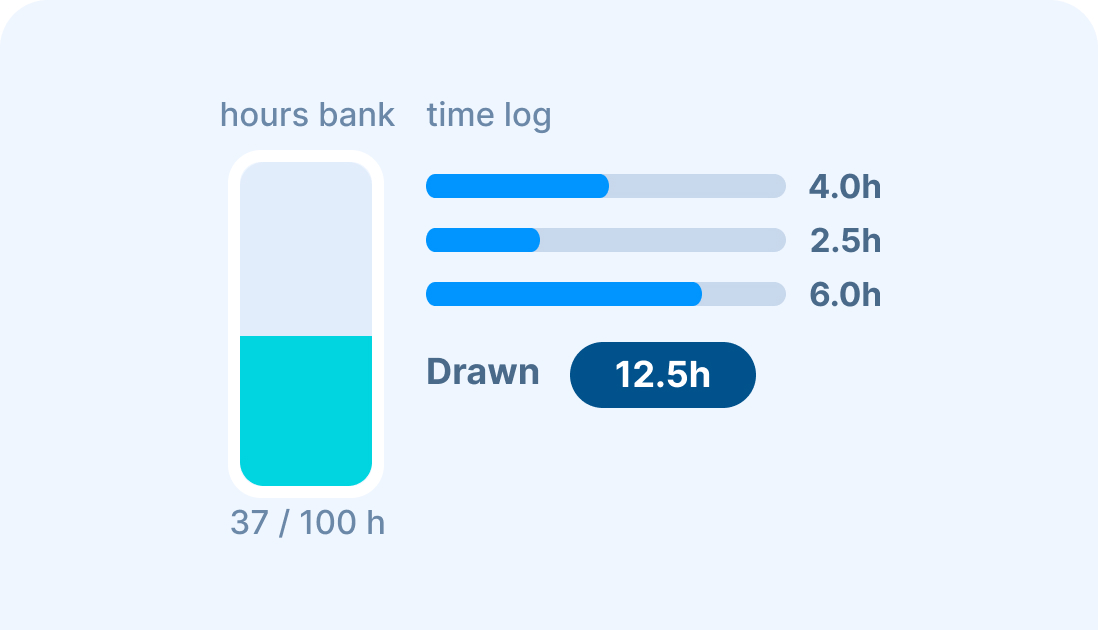
Hours Bank
Pay for exactly what gets done. No retainers, no guesswork, just transparent hours and real output.
What it looks like:
Transparent time logs. You see every billed hour in real time
Scale hours up or down week to week. No approval cycles.
Start with as few as 20 hours per month.
Best for audits, code reviews, urgent infra fixes
Weekly billing with itemised breakdowns. No surprises
Staff Augmentation
Extend your engineering team with pre-vetted specialist engineers who show up in your standups, not just your invoices.
What it looks like:
Engineers embedded in your Slack, Jira, and daily standups
Specialists across AWS, GCP, Azure, Kubernetes, and Terraform
100% dedicated. Not shared across other clients
Project-Based
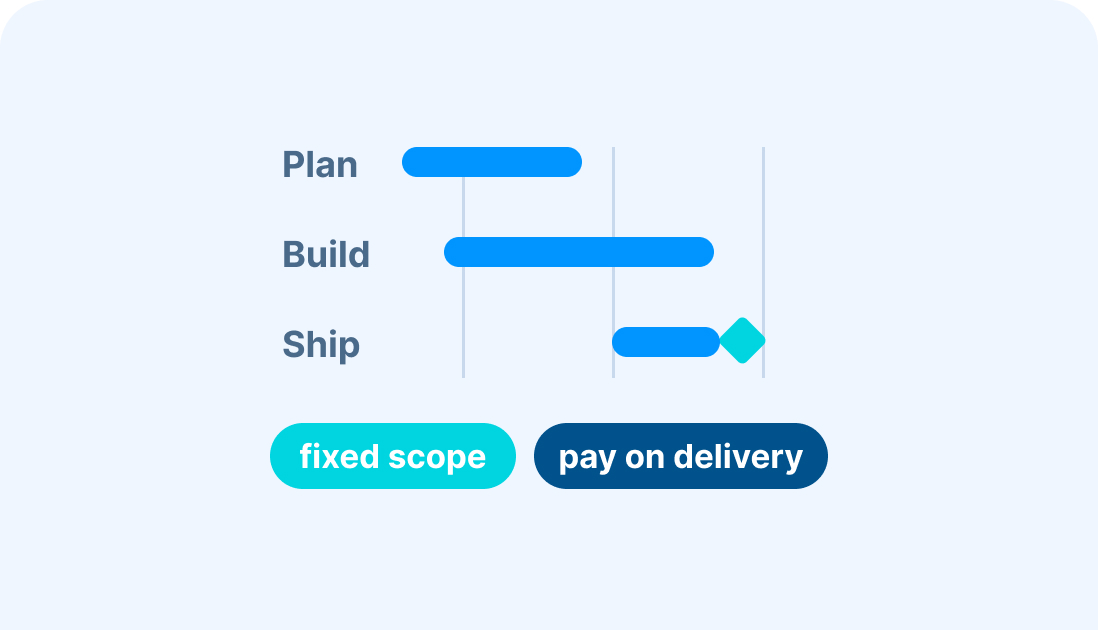
Defined scope. Fixed budget. We own the outcome — not just the effort hours that go into it.
What it looks like:
Scoped and priced upfront. No scope creep, no surprises
Milestone-based billing. You pay when we deliver, not before
Dedicated PM keeps you updated every single week
Clear SLAs and acceptance criteria written into every contract
Post-launch support + full documentation handoff included
Certifications
Production experience you can trust.
Our SRE engineers combine globally recognized cloud certifications with real-world production experience, helping teams build resilient, highly available systems that perform under pressure.
Cloud Platform Certifications
Container and Orchestration Certifications
Infrastructure and Platform Certifications
Database and Data
Certifications
Need an Site Reliability Engineer who's been through real incidents?
While both roles improve software delivery, DevOps focuses on automating development and deployment workflows, whereas SRE focuses on maintaining reliability after deployment. SRE engineers prioritize uptime, incident response, observability, performance, and system resilience using measurable reliability targets.
Can your SRE engineers work with our existing DevOps team?
Yes. Our SRE engineers work alongside your existing DevOps, platform, and development teams. They integrate into your workflows, improve operational practices, and strengthen reliability without disrupting your existing processes.
Which tools and platforms do your SRE engineers work with?
Our engineers have experience with AWS, Azure, Google Cloud, Kubernetes, Docker, Terraform, Ansible, Prometheus, Grafana, Datadog, New Relic, ELK Stack, Jenkins, GitHub Actions, GitLab CI, ArgoCD, and other modern cloud-native technologies.
Do your SRE engineers help reduce cloud costs?
Yes. By optimizing infrastructure utilization, improving autoscaling, automating operations, and eliminating inefficient resource allocation, our SRE engineers help reduce unnecessary cloud spending while maintaining high availability.
How quickly can we onboard an SRE engineer?
After understanding your requirements, we match you with engineers who have relevant production experience. Depending on your engagement model, onboarding can typically begin within a few business days.
Do you support 24×7 production environments?
Yes. Our engineers are experienced in supporting mission-critical production environments with high availability requirements, proactive monitoring, incident management, and operational best practices.